Ngarn Wa’ngal: Art of the gum tree announced
15 May 2026
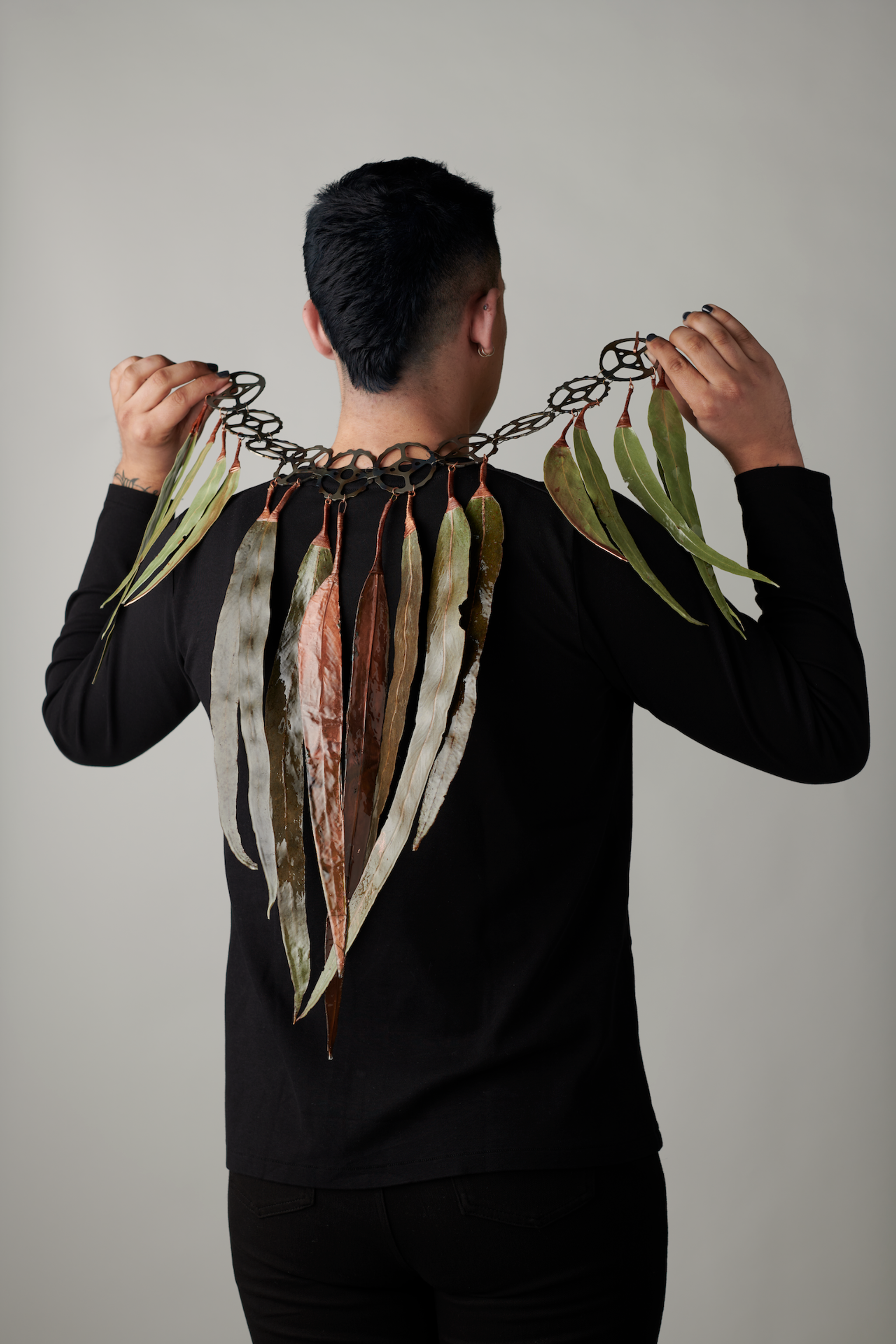
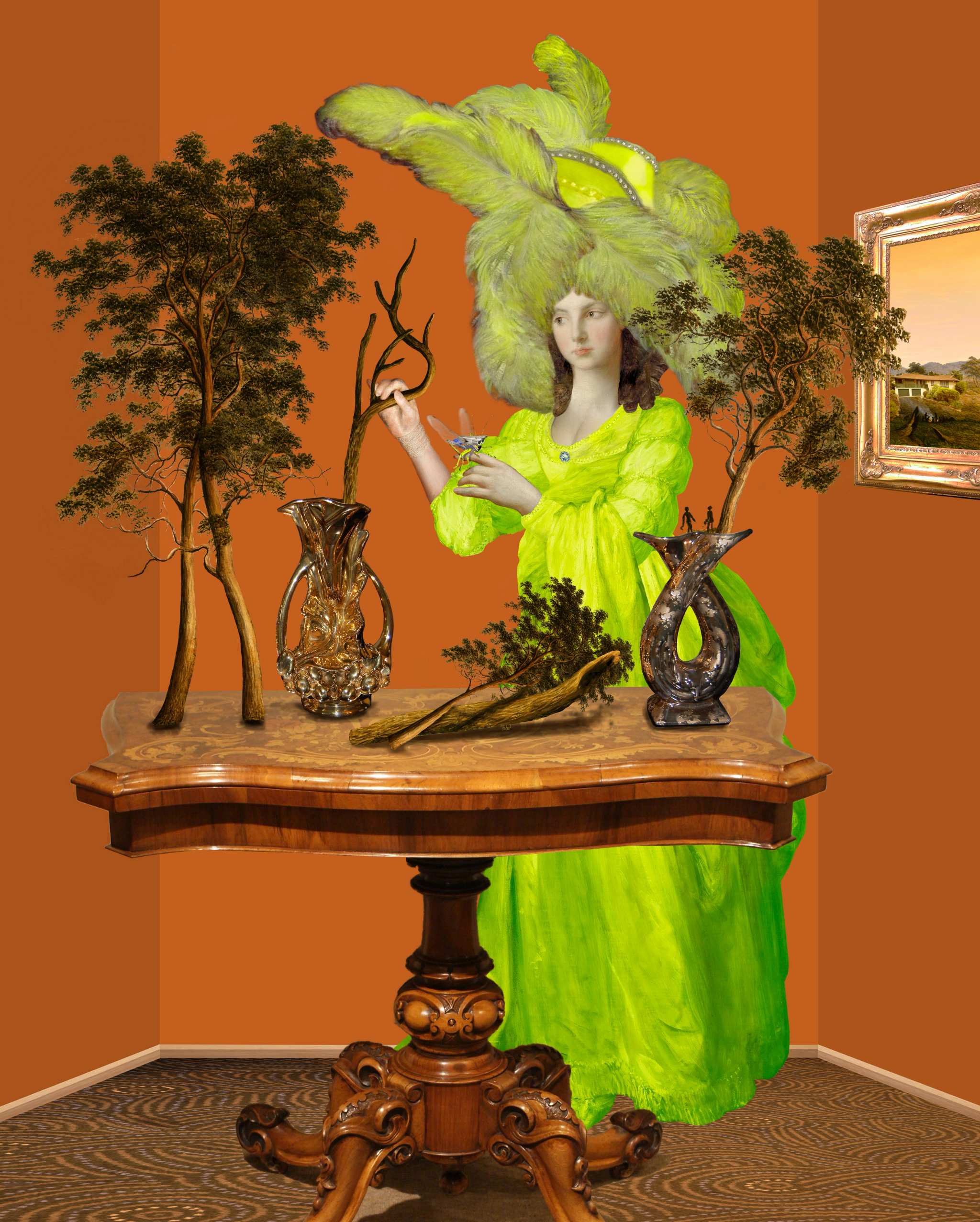
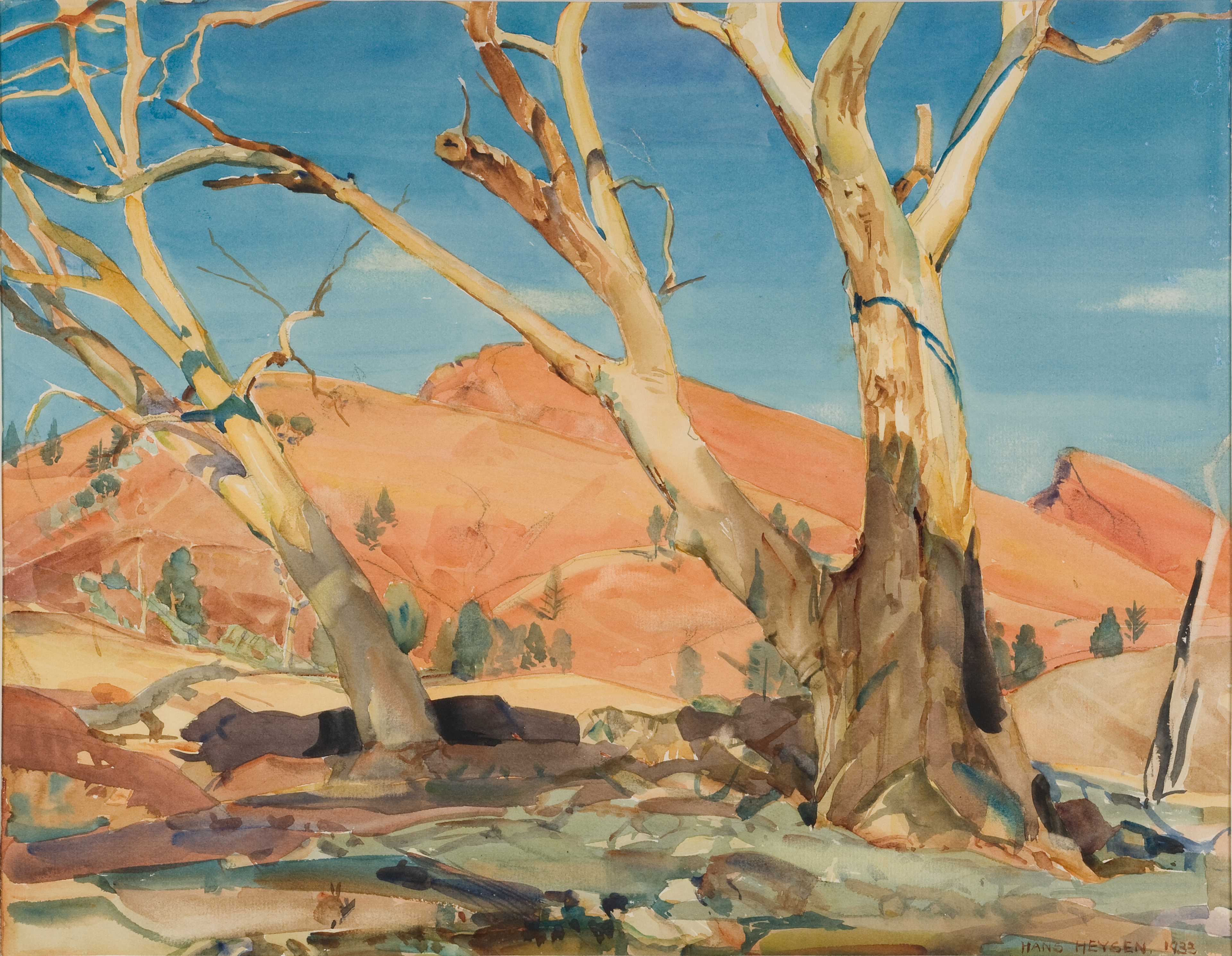
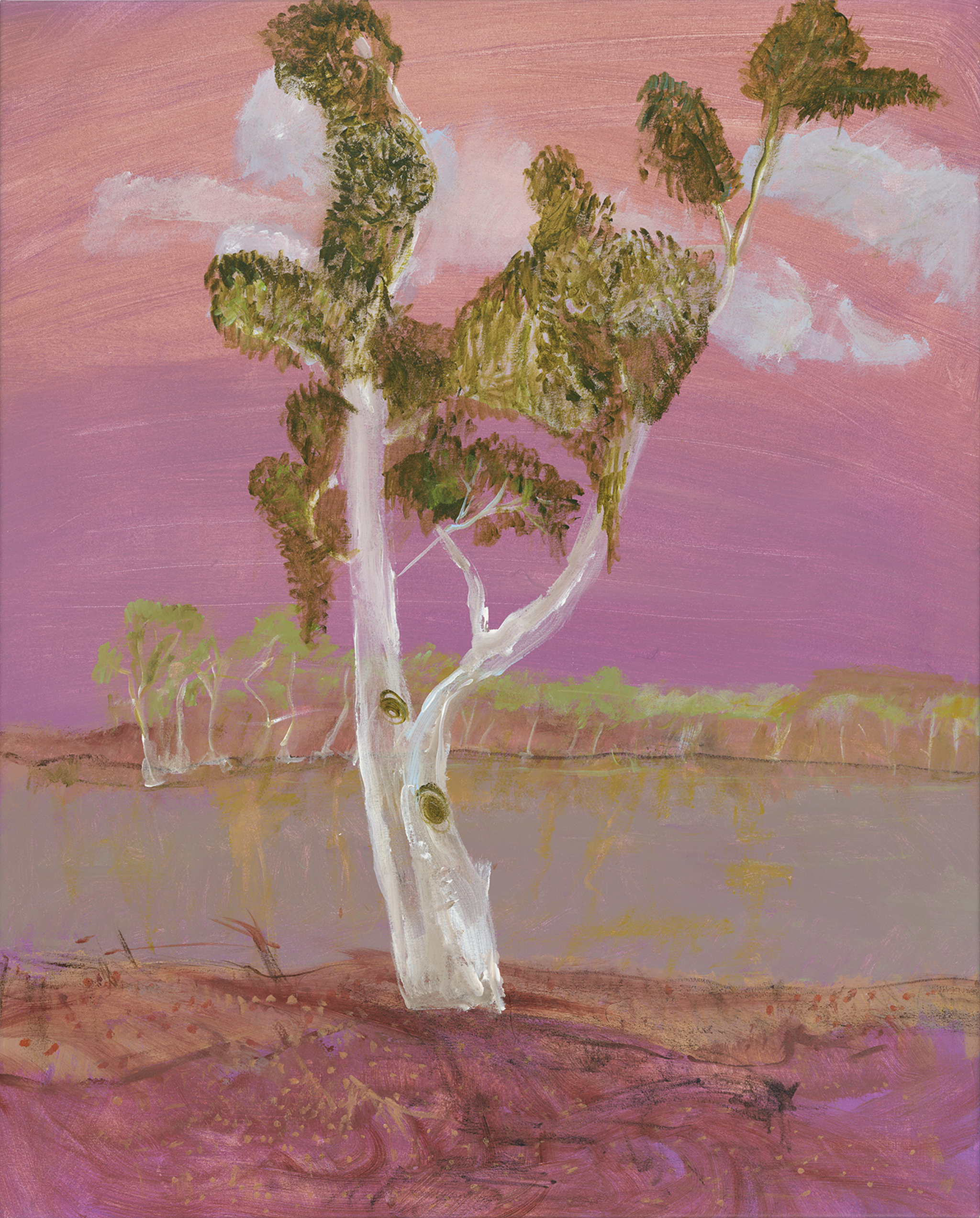
The University of Melbourne’s Potter Museum of Art announces a major new exhibition Ngarn Wa’ngal: Art of the gum tree. Opening 10 July and running to 21 November 2026, the exhibition explores this most iconic tree as a source of creative inspiration across colonial, twentieth century and contemporary practice, and includes five significant new artist commissions.
Taking its title from the Woi Wurrung language — Ngarn wa’ngal, meaning “breathing for us” – the exhibition reflects the deep cultural and ecological significance of the gum tree as both a living presence and a powerful symbolic force.
Curated by Alisa Bunbury, Senior Curator of the Grimwade Collection at the University of Melbourne, and Guest Curator Sophie Gerhard, the exhibition features 163 artworks including colonial paintings by John Glover, Eugene von Guérard and Frederick McCubbin, twentieth-century art by Arthur Boyd, Hans Heysen, Albert Namatjira, Grace Cossington Smith, and Jessie Traill, alongside leading contemporary artists including Nici Cumpston, Vincent Namatjira, Joan Ross and Christian Thompson.
Alongside artworks from the University of Melbourne’s collections and major loans from across Australia, the exhibition presents five new commissions.
- Australian photographer Jane E. Brown draws on research into chemist and botanist Russell Grimwade and early carbon printing techniques to produce intricate images of gum blossoms and gum nuts. Using an innovative process with eucalyptus oil used as a developing agent, Brown brings the material properties of the gum tree directly into the work itself.
- An artist of Worimi descent Dean Cross will present There are 1000 ways to change the world, but you only need one, an installation of seed-filled papier-mâché forms, each containing manna gum seeds. Referencing the Birrarung landscape and the vulnerability of eucalypt species under climate change, the work reflects themes of regeneration and ecological futures.
- Melbourne-based interdisciplinary artist megan evans will present Gust, an installation of hundreds of eucalyptus leaves collected over decades — including leaves preserved from the 2009 Black Saturday bushfires — alongside a large-scale animated work, Remanence, exploring memory and residual presence.
- An Incantation for a Eucalypt, a layered installation by leading Australian artist Janet Laurence, engages with scientific classification and environmental witnessing, incorporating materials from the University's Rare Books and Archives collections, and the Victorian Herbarium. The work is structured around two themes — Cataloguing, which examines Eurocentric systems of botanical classification, and Witness, which reflects on trees as enduring observers of environmental change and the impacts of colonisation.
- Award-winning Wiradjuri poet and artist Jazz Money will present a floor-based text piece accompanied by a moving image of rising smoke, opening the exhibition’s first room dedicated to First Nations perspectives.
Senior Curator Grimwade Collection Alisa Bunbury says: “Ngarn Wa’ngal encourages us to reflect upon the fundamental role of eucalypts in our society and within Australia’s natural and built environments. Surveying the many ways in which artists have used the gum tree to reflect their own relationships with this most familiar of trees, we see clearly their enduring hold on our emotions, memories, and personal and national identities. Through this recognition, it also asks us to accept responsibility for their continuity and survival as we negotiate the escalating climate emergency.”
Guest Curator Sophie Gerhard says: “The gum tree is embedded in Australia's consciousness as a formative symbol of nationhood. For many, it carries the power to unify and celebrates something fundamental about this country. But national iconography across a colonised land is never simple. This exhibition celebrates the eucalypt while drawing attention to how artists have harnessed it as a symbol of Indigenous sovereignty, colonial conquest and contemporary climate action. An exhibition that brings together such diverse artworks, voices and conversations, while holding space for the sheer joy of being among trees, is something really special. It’s been a pleasure to work with the team at the Potter in bringing this exhibition to life!”
Director of Art Museums Charlotte Day says: “The gum tree is one of the most recognisable and complex symbols in Australian life. This exhibition brings together historical and contemporary perspectives to reveal its many meanings— from deep cultural knowledge and connection to Country, to its role in shaping national identity and our understanding of the environment today. Ngarn Wa’ngal: Art of the gum tree invites audiences to reconsider the eucalypt not simply as an icon, but as a living subject that continues to shape artistic, cultural and environmental narratives across generations.”
The exhibition will be accompanied by the publication, Ngarn Wa’ngal: Art of the gum treepublished by Melbourne University Publishing. The richly illustrated book brings together artists, Aboriginal Elders, art historians, ecologists, poets and writers to reflect upon the eucalypt’s role in our social and art history.
A program of events will run across the exhibition's duration, starting with Saturday 11 July to mark the exhibition's opening weekend, with talks focused on the newly commissioned works. Further events include curator-led tours, interdisciplinary conversations, hands-on workshops and walking tours of significant gum trees at the University's Parkville campus.
This exhibition was inspired by Russell Grimwade’s love of eucalypts. Grimwade (1879-1955) had a life-long association with Melbourne University, bequeathing an art collection, library and support for future research, exhibiting, publishing and collection development.
The exhibition is supported by the Russell and Mab Grimwade Miegunyah Fund and Eucalypt Australia. The publication is supported by the Russell and Mab Grimwade Miegunyah Fund and The Gordon Darling Foundation.
Participating artists include: Khadim Ali, Ethel Atkinson, Thelma Austin, Rex Battarbee,Dorrit Black, John Blogg, Arthur Boyd, Merric Boyd, John Brack, Jane E. Brown, Nikki Browne, Hector Tjupuru Burton, Louis Buvelot, Robert Campbell Junior, Harold Cazneaux, Maree Clarke, Selma Nunay Coulthard, Dean Cross, Nici Cumpston, Jess Dare, Shay Docking, Peter Dombrovskis, Julie Dowling, Russell Drysdale, AW Eustace, megan evans, Adrian Feint, Rosa Fiveash, Sue Ford, William Ford, Helen Fuller, Deanne Gilson, Joshua Wickett Gliddon, John Gollings, Julie Gough, John Glover, Russell Grimwade, Henry Gritten, Eugene von Guérard, Treahna Hamm, Matthew Harris, Hans Heysen, Naomi Hobson, Wendy Hubert, Dianne Jones, Narelle Jubelin, Tjilpi Kunmanara Robin Kankapankatja, John Kauffmann, Kiah Kraftsrafts, Rosemary Laing, Janet Laurence, Lefebure and Sons, Jenna Lee, John Lewin, Sydney Long, Mildred Lovett, Brian Martin, Robyn Mayo, Frederick McCubbin, Rob McHaffie, Louisa Anne Meredith, Michelle Pulatuwayu Woody Minnapinni, Hal Missingham, Jazz Money, Eirene Mort, Albert Namatjira, Vincent Namatjira, Frederick Polydore Nodder, Ian North, Lin Onus, Jill Orr, Sydney Parkinson, Marylin Brown Petyarr, Tali Tali Pompey, Robert Prenzel, Margaret Preston, Shirley Purdie, Anita Mbitjana Ratara, Hilda Rix Nicholas, Carol Panangka Rontji, David Rose, Joan Ross, Mervyn Rubuntja, Alfred Sells,Alexander Schramm, Rebecca Selleck, Grace Cossington Smith, Yasmin Smith, Margaret Stones, Arthur Streeton, William Strutt, Stefan Szonyi, Christian Thompson, Mary Tonkin, Jessie Traill, Peter Tully, James Tylor, Hossein Valamanesh, May Vale, Gaypalani Waṉambi, Wukun Waṉambi, Lewis Wandin-Bursill, Sera Waters, Fred Williams, Dino Wilson, John Wolseley, Pedro Wonaeamirri, Gertie Yabbu, Wanapati Yunupiŋu.