
A sense of place
Level One
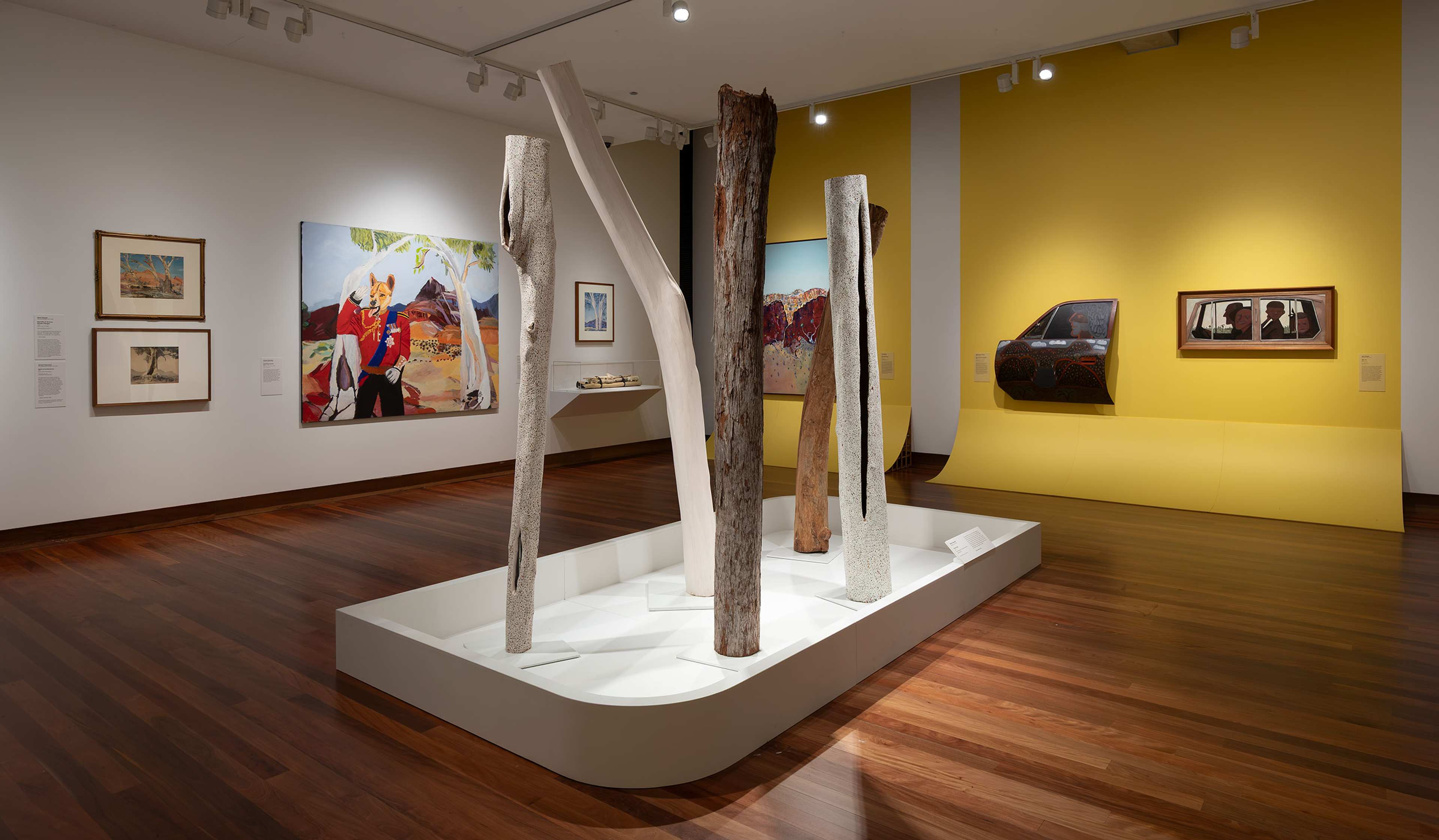
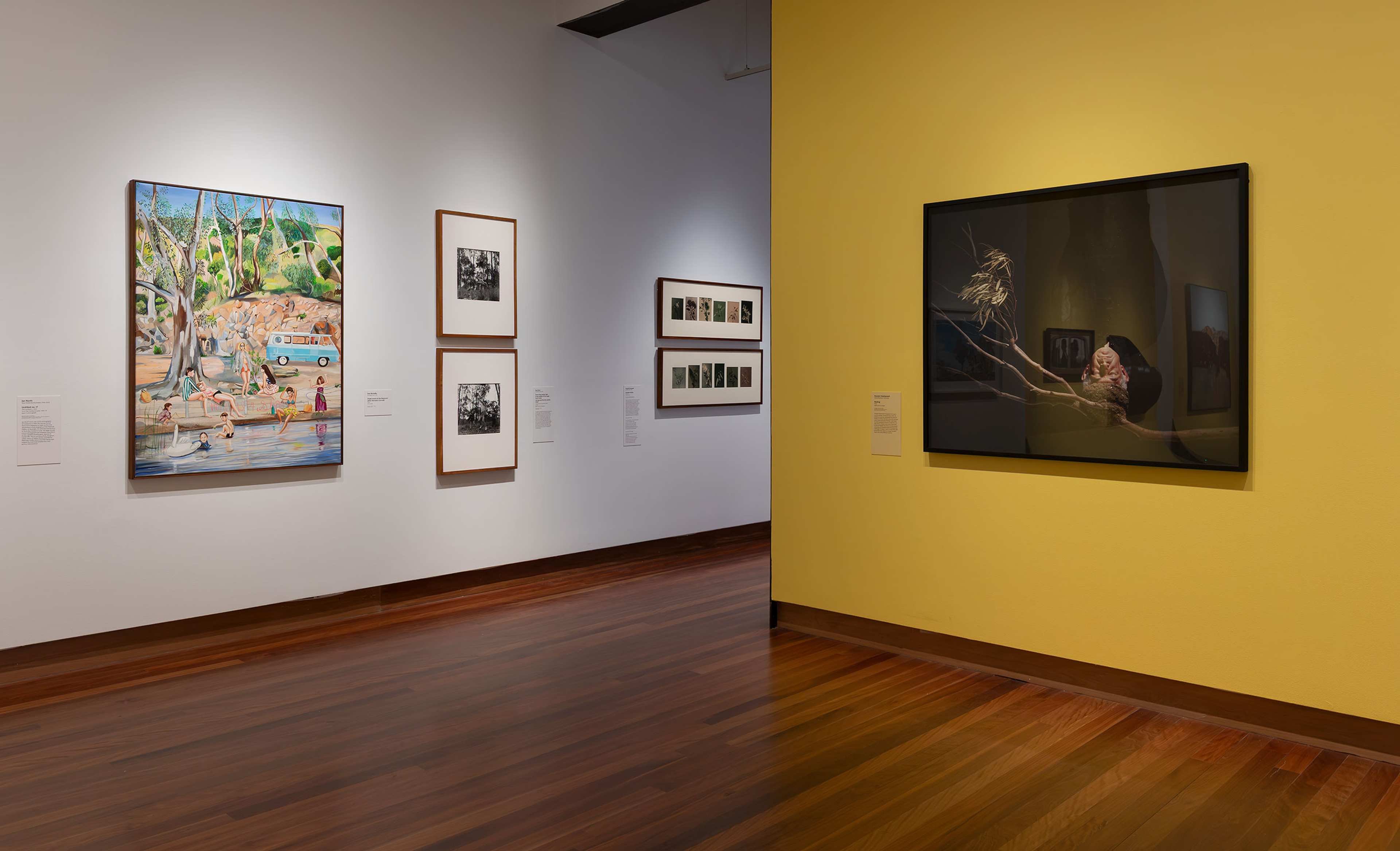
Gum trees line our freeways, shade our streets and backyards, and stand across our parks, paddocks and forests. Their silhouette is unmistakeable, and for many Australians so familiar that they almost disappear into the backdrop of daily life. It is often only when we leave that we notice what they mean to us – catching the scent of a eucalypt on a foreign street and being reminded, suddenly, of home.
This familiarity has been built over generations. Since the late nineteenth century, settler Australians have looked to the gum tree as a marker of national identity – tough, native and resolute. The Australian Impressionists planted it firmly within the national iconography, painting the eucalypt as the tree against which a sense of home could be constructed. With the federation of the six colonies in 1901, the gum tree was embraced as an emblem of the new nation. Through two world wars, gum leaves were sent to loved ones serving abroad. Across the twentieth and twenty-first centuries, artists have continued to paint, print, photograph and be inspired by these trees, with each generation reshaping what the gum tree stands for.
For many people who have migrated to Australia, the gum tree is part of finding their footing in an unfamiliar landscape. For some, eucalypts are already familiar from places as far-flung as in India, the United States of America, Africa, South America and Southern Europe. For others, they are entirely new, markers of how far from home they have come.
The works in this room trace the deepening place of gum trees in the national consciousness and the shifting ways artists have looked at, lived among and connected with these trees.